


GRAPHIC DESIGN
Graphic Design is the process of creating a visual language, using text and images. The course is designed for the students to broaden their interests or develop areas of specialist knowledge in design fundamentals and typography, book or magazine design, packaging, branding and corporate identity, television graphics or animation.
tudents work in close proximity with the faculty and their peers to generate design solutions. The course's success is built upon promoting a thorough understanding of the design process, striking a realistic balance between developing conceptual thinking and mastering the skills to express visual ideas creatively - through digital or manual means.
Typography
English and Urdu typography
The course includes the learning of typography in both English and Urdu. Students study hand lettering of classic, historically relevant typographic forms that are the foundation of contemporary typographic aesthetics in both languages. The craft of typography is introduced, including type specifications, copy fitting and kerning.
The course begins with the fundamentals of typography, its theory, practice, and technology. Exercises include the study of the letterform, type design and composition. Essential aspects like layout and systems, typographic expression and communication are important. Students learn the techniques of amalgamating type with image, keeping in mind proportions and grids.
Typographic relationships with other graphic elements are investigated through brochures, posters and other 2D and 3D projects . At a later stage editorial design is also included in the course.
Advertising Design
Assignments in strategy and concept development, compositions and copy writing, prepare students in advertising art direction. Emphasis is placed on process, the development of creative and challenging solutions. Students produce complete advertising campaigns integrating elements such as type, graphics, photography and illustration, presentations discussed and critiqued by practicing professionals as well.
lass discussions cover work in the real world. Students are encouraged to see the role and place of advertising in the bigger canvas of life. Assignments are made to develop cutting edge advertising that not only 'sells more', but is also ethically and morally correct. Projects allow students to develop their skills in addition to their creativity.
Computer Graphics
This course is designed to provide the student with a fundamental understanding of a range of computer graphics software. The main emphasis of the course focuses on fundamentals of skills development. Through a variety of assignments, students learn how to use various tools to support the design process.
The assignments are geared towards page grids, layout specifications, colour connections and type setting using various applicable soft wares.
This course emphasizes appropriate proficiency in the applications and understanding the role of digital tools in the realm of design. Students are made familiar with the basics of designing and managing a web site and its relevant elements.
Drawing
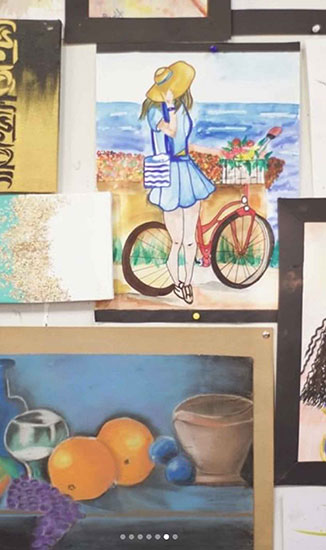
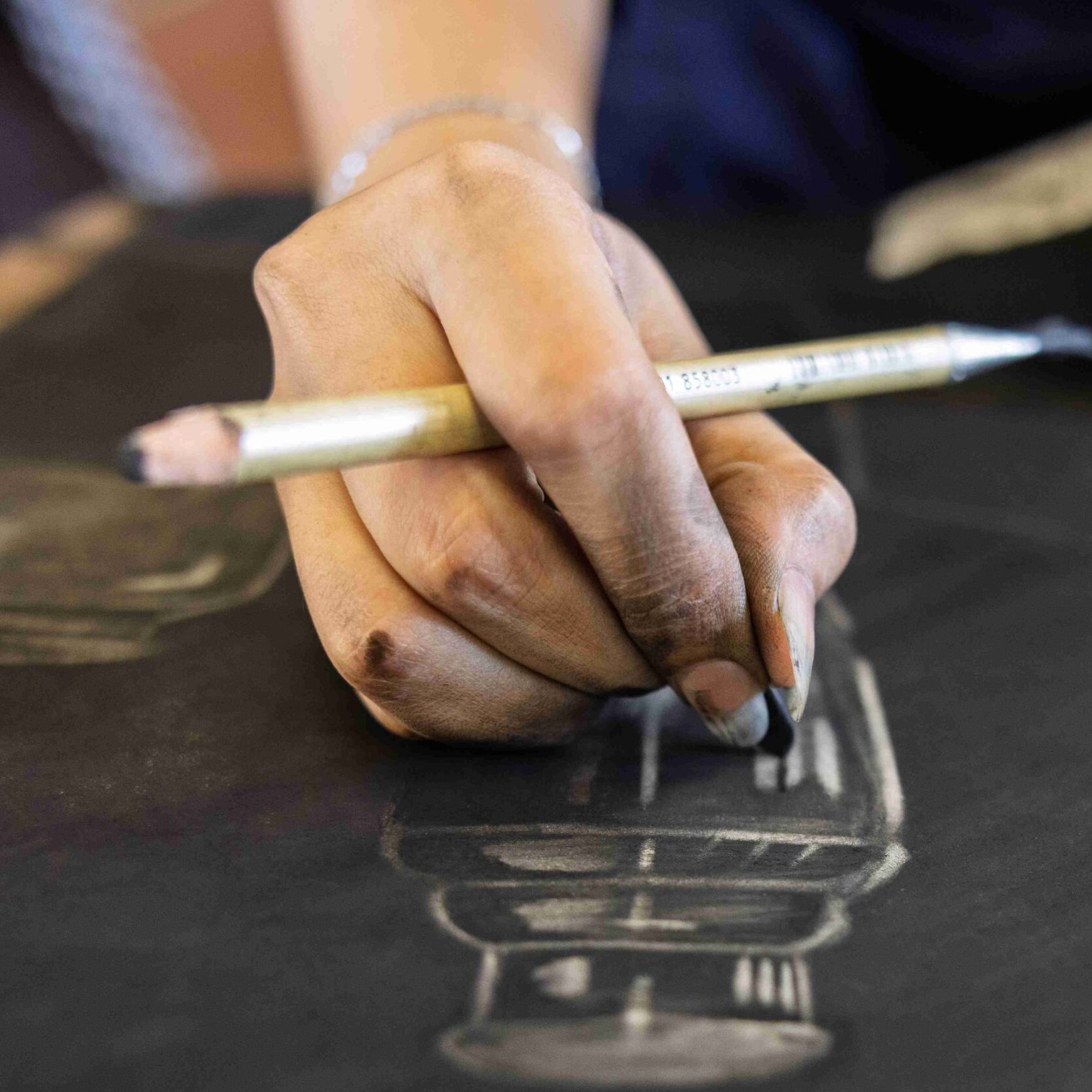
This course is specifically designed to improve drawing skills and heighten sensitivity to observation. It reviews principles learnt at foundation level and helps the students to build visual understanding through lines, shapes, perspective and compositions.
ssignments cover representational and analytical aspects of expression through the medium of drawing. This process encourages the imaginative potential of the students and helps them to interpret the world around them in a creative manner. Tone, composition, materials, medium and methods are all harnessed to translate ideas into expressive and innovative visuals.
Illustration
In this course students learn the skills necessary to develop conceptual aptitudes and apply their creativity to finished illustrations. The knowledge of perspective, light, colour, spatial dynamics and a variety of mediums and techniques is applied to communicate to specified audiences.
Students are encouraged to develop their own style through research and experimentation Self-expression and visual communication skills are stressed. The course covers the exploration of traditional and non-traditional materials including digital illustration.
Sequential illustration and animation is introduced from the fifth semester onwards for students who choose to take on Illustration as their minor.
Photography
This course provides students with the general principles of photography relevant to the field and applicable to designers. These include basic concepts and terminology, analogue and digital equipment, techniques and production, natural and artificial lighting, framing, composition and other aesthetic and conceptual considerations.
tudents learn to perceive and reflect on the world and their individuality; to visually communicate this by reading into the subtext and enhancing the overlay. Course levels progress from darkroom practice to photojournalism, special-effect techniques, studio still-life and portraiture and, ultimately, an independent project. From the fifth semester onwards students may choose Photography as their minor.
Film & Video
The Film and Video course starts off with a theoretical study of cinematic concerns and techniques. The relationships between narratives, documentary, experimental filmmaking and TV advertisement are discussed. This theory class then continues into practical application allowing the students to film and edit their own projects.
Students are encouraged to produce films with sensitivity to society, and with relevance to their surroundings.
From the fifth semester onwards students may choose Film and Video as their minor.
Printmaking
The course looks at various methods of printmaking and includes lino, collograph,
etching, silkscreen and relief prints.
he course equips the student with a good basic knowledge of all print mediums and a portfolio. Students are encouraged to experiment and use a variety of paper and ink to create works of contemporary communication.
Production Art
A graphic designer needs a thorough knowledge of the printing technologies used today. The study of various printing and pre-press production are introduced. Field trips practical know-how is an integral part of this course.
This course provides a technical background to the Graphic Designer. The course covers material related to the actual production of design materials, usually learned by experience. Press-checks, colour specifications and proofing, pre-pres art, file preparation, paper selections and characteristics are all addressed with class field trips to printing processes are an important aspect of this course.
History of Graphic Design
The course provides as in-depth survey of the historical, cultural, social and political movements, which have influenced the evolution of Graphic Design.
Important | Curricula, courses and course outlines are continuously under review. The Indus Valley School reserves the right to alter, substitute, eliminate from or add to the list of courses and details at any time without notice.